When a driveway or parking lot fails early, it rarely happens because of the last coat you can see. The problems start with the soil under the pavement, the thickness you do not measure, and the crew you do not meet until the morning of the job. A strong paving job looks simple from the street. Underneath, it is a sequence of technical choices that have to be right, from subgrade preparation to compaction, mix temperature, and edges. The contractor you hire is the hinge point for all of it.
I have walked too many sites where an owner paid twice in five years. One homeowner hired the cheapest bid for driveway paving, watched a smooth black mat go down, and thought it was a win. Two winters later, the wheel paths were alligatoring because the base was one inch light, there was no tack coat at the joint, and the existing subgrade had not been proof rolled. None of those mistakes were visible on day one. They always are obvious after the first freeze-thaw cycle.
This guide will help you choose a paving contractor who does not just own a roller and post yard signs. It covers what credentials matter, the questions that reveal competence, and the red flags worth walking away from. I will also lay out when chip seal or a seal coat makes sense, how to read a proposal, and what proper asphalt repair looks like.
Start with the surface, not the sales pitch
Before you ask for bids, get clear on the surface and service you actually need. Paving terms overlap in a way that confuses buyers, and some contractors rely on that confusion.
Asphalt paving is a full structural surface. It can go over a properly prepared base or over an existing asphalt surface after milling. Mixes vary by climate and use, but for residential driveways you will typically see 2 to 3 inches of compacted hot mix asphalt on top of 4 to 8 inches of compacted aggregate base, depending on soil and traffic. On commercial lots, total asphalt thickness can rise to 3 to 5 inches with multiple lifts, and base depths can be heavier.
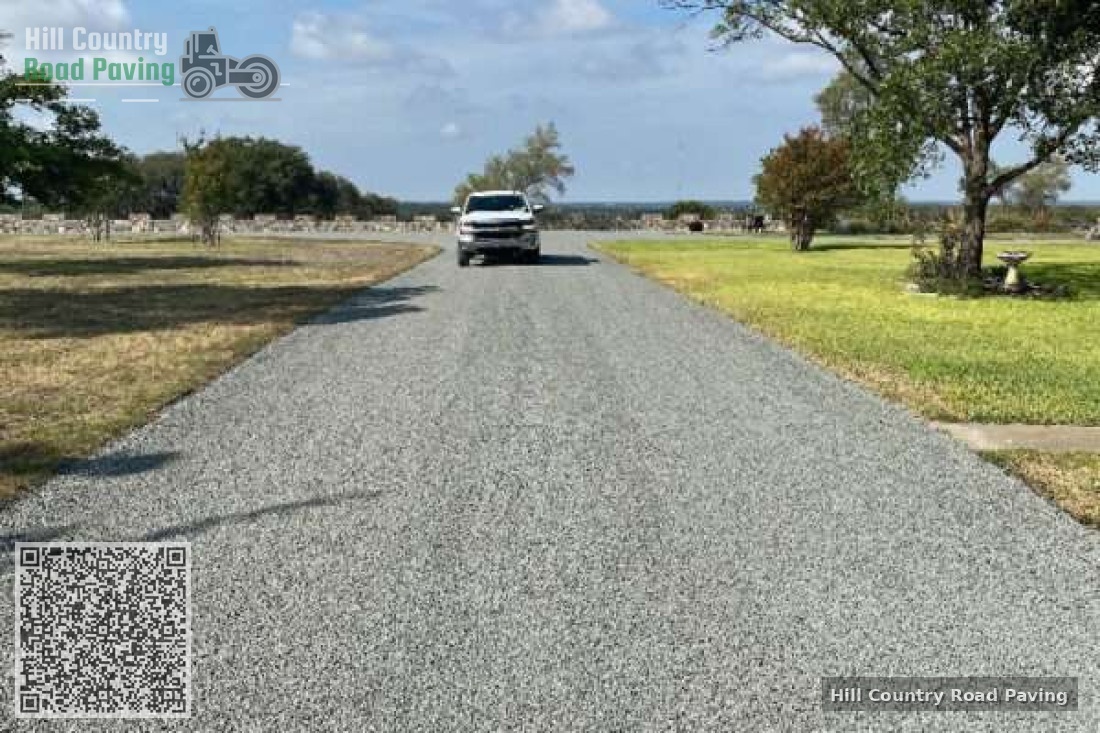
Chip sealChip seal is different. It is a liquid asphalt binder sprayed on the prepared surface, immediately covered with a layer of stone chips, then rolled. Think of it as a dense, textured wearing surface. It costs less per square yard than hot mix asphalt because it uses less asphalt and relies on existing base strength. In rural areas, chip seals hold up well on low speed roads and long driveways. Expect a coarser texture, more tire noise, and loose chips for a week or two until sweeping and traffic lock it in. A driveway chip seal can be an excellent choice on long lanes where budget matters and appearance is secondary to function. It is not a structural fix for a failing base. If the subgrade is weak, chip seal will reflect those failures quickly.
Seal coat is maintenance, not paving. It is a thin coat of refined coal tar or asphalt emulsion, sometimes with sand, brushed or sprayed on the surface to protect against oxidation and water. It darkens the surface and can fill hairline surface wear, but it does not add structural strength. For sound asphalt, a seal coat every two to four years can extend service life, especially in sunny or deicing salt environments. If a contractor offers seal coat as a cure for deep cracks or sinking areas, that is a misunderstanding at best.
Asphalt repair spans a range. There is crack sealing with hot-pour rubber for working cracks. There is skin patching, which is a thin overlay over a distressed area. There is infrared reheating to blend and compact a localized repair. Then there is full-depth cut and replace, where failed asphalt and weak base are removed and rebuilt. The right method depends on the cause and depth of the failure. A skilled paving contractor explains the failure mode first, not just the repair price.
Soil, water, and thickness decide your future
Pavements fail first at the edges and around water. Clay soils swell and shrink. Sandy soils drain well but can ravel if not compacted. If water sits anywhere on the pavement or at the edges, it finds a way under the mat, softens the base, and magnifies traffic damage.
A contractor who takes your job seriously will talk about drainage early. On a driveway, they will look for places to shed water to a lawn or swale, not onto your garage slab. On a lot, they will check inlets and grades and, if necessary, propose milling to re-establish slopes. They will also care about edges. A straight sawcut edge or a compacted shoulder matters. When edges hang in the air, they crack and crumble under car tires.
On thickness, do not rely on the feel of new pavement. Compacted asphalt settles roughly 25 percent from loose to finished. If the crew places 3 inches loose, you end up with 2.25 inches after rolling. On driveways, I want a minimum 2 inches compacted for overlays and 2.5 to 3 inches compacted for new work, with a solid base. For heavier-use aprons or delivery areas, 3 to 4 inches compacted, sometimes in two lifts, makes sense. On commercial lots with truck traffic, using a base course mix for the lower lift and a finer wearing course on top is common practice.
A good proposal will state thickness in terms of compacted depth, not “two to three inches” with wiggle words. If a bid is much lower than others, the missing piece often hides in that range. Half an inch of missing asphalt over a 3,000 square foot driveway is roughly 37 tons of material. At typical mix prices, that accounts for a surprisingly large difference in bid totals.
Credentials that actually protect you
Licensing and insurance are table stakes. Verify that the paving contractor carries general liability and workers compensation insurance and that the policy limits match the size of your job. A certificate sent directly from the insurance agent is better than a photocopied page. In states or municipalities that require contractor licensing or bonding, look up the license number and standing. A legitimate operator will not hesitate.
Equipment and crew matter as much as paperwork. The ideal setup for asphalt paving is a paver that can place a consistent driveway paving maintenance mat, steel drum rollers for breakdown and finish, and a pneumatic tire roller for kneading compaction when needed. If your job is handwork only, fine, but know that uniformity and compaction suffer when a paver is not practical and the crew leans entirely on rakes. For chip seal, look for a calibrated distributor truck, a chip spreader, and a smooth drum roller. For seal coat, a tank with agitation and the correct squeegee and spray tools matters.
Ask who will be on site. Subcontracting is common, but you deserve to know whether the salesperson’s company is actually installing the work or farming it out. Crews who work together regularly leave fewer seams and finish details better, especially at joints, aprons, and curbs.
Material sourcing tells you how the job will handle heat, traffic, and climate. For asphalt paving, mixes are not all equal. A surface course with 9.5 mm nominal maximum aggregate size is common for residential, 12.5 mm or 19 mm for base or heavier traffic. In colder climates, polymer modified binders improve resistance to rutting and cracking. Your contractor should be able to name the plant supplying the mix and the spec they are meeting, even if your job does not require a formal DOT mix design.
Safety is not just hard hats, it is traffic control and site management. On a neighborhood street, signage and spotters protect children and pets. On a commercial lot, a traffic control plan and work phasing keeps businesses open and people away from tack coats and heavy equipment.
Five questions that separate pros from pretenders
- How will you prepare the base and verify compaction, and what compacted asphalt thickness are you proposing in each lift? Where will stormwater go, and how will you handle drainage at the garage, sidewalk, or catch basins? What mix or material will you use for this climate and traffic, and which plant or supplier will produce it? Who will be on site managing the crew, and is your crew in-house or subcontracted? Can I see two similar projects you completed at least two years ago? How will you handle joints, edges, and tie-ins to existing surfaces, and what is your plan if we uncover soft subgrade during excavation?
Listen for clear, specific answers. Vague talk or quick pivots back to price are warning signs.
Reading and comparing proposals without getting spun
A strong proposal reads like a scope of work, not an ad. It describes demolition and disposal if needed, base installation and compaction standards, proof rolling, tack coat use, asphalt paving lifts and compacted thicknesses, finish tolerance, and cleanup. It includes unit pricing for unknowns that are likely to appear, like undercutting soft spots at a per cubic yard rate. On chip seal, it should list the application rate for binder in gallons per square yard and the chip size, with a note on single or double chip seal if you want added durability.
Be cautious of proposals that repeat phrases like “as needed” or “up to” without quantities, or that rely on allowances that are far below realistic levels. If two bids present 2 inches of asphalt and one presents 3 inches but costs the same as the 2-inch bids, something does not align. Either the 3 inches is loose depth, not compacted, or the contractor plans to save time and material in other ways, such as fewer passes with the roller.
On price, remember you are buying tons and hours. Asphalt paving cost drivers are material tonnage, trucking, fuel, crew labor, and overhead. A 100-foot by 12-foot driveway, paved 3 inches compacted, needs roughly 33 to 35 tons of asphalt depending on compaction and waste. Every ton you think you are buying should be trackable from the plant ticket to the jobsite. Many reputable contractors include copies of scale tickets at the end of the job. For chip seal, costs are commonly quoted per square yard, and a single chip seal often lands well below hot mix asphalt. For seal coat, the price per square foot is tiny compared to paving, which is why it is a maintenance bargain if applied at the right time.
Red flags that save you from headaches
- Soliciting door to door with “leftover mix” Refusing to specify compacted thickness or base prep in writing No company name or DOT number on trucks and no proof of insurance from an agent Demanding large cash payments up front or offering prices good “today only” Skipping permits or insisting permits are not needed when your local authority requires them
A crew that shows up unannounced with a story about a nearby highway job is not doing you a favor. Consistent quality does not come from surplus.
Chip seal, driveway chip seal, and where they shine
Chip seal is honest about what it is. It seals small cracks, resists oxidation, adds a textured surface, and sheds water well when applied over a sound base. A double chip seal, where two layers are applied in sequence, is tougher and gives a more uniform look. For long rural driveways with low to moderate traffic, a driveway chip seal can last 5 to 10 years before retreatment, sometimes longer with timely spot repairs and sweeping. It tolerates heat, and with the right chip size it provides good traction on grades.
Downsides are aesthetic and practical. The look is rustic, not sleek. You will have loose chips at first, and snow plows need shoes up to avoid scalping. If you care about a crisp edge by a formal lawn or a seamless tie-in at a garage, asphalt paving delivers a cleaner line. For short suburban driveways where resale value leans toward a uniform black surface, asphalt paving usually carries the day.
Preparation for chip seal matters as much as with asphalt. The surface should be structurally sound, patched where necessary using cut-and-replace or suitable binders, swept clean, and dry. A contractor who suggests chip sealing over major base failures is setting you up for reflected cracking and potholes.
When seal coat earns its keep
Seal coat is preventative. I recommend it on asphalt that is 6 to 12 months old at the earliest, then every two to four years depending on sun exposure, traffic, and climate. The right timing depends on binder cure and climate. In very hot regions, two years can be better for the first application. A well-applied seal coat reduces oxidation, keeps fines locked in, and makes the surface easier to clean. It also improves appearance. Beware of over-sealing. Too many coats, too close together, create a brittle film that flakes and peels.
Application quality shows in edges and coverage. Good crews cut in edges cleanly by hand, then use spray or squeegee in uniform coats at the manufacturer’s recommended rate. They block traffic long enough for full cure, often 24 to 48 hours depending on temperature and humidity. Water-based seal coats are common. Coal tar has excellent chemical resistance, but some regions restrict or ban its use. If your contractor uses coal tar, ask about local regulations and safety practices.
Repair methods and what they solve
Not all distress is equal. Long, straight cracks that widen and narrow with seasons are working cracks. They respond to hot-pour crack sealing that stays flexible. Alligator cracking looks like a reptile’s back. It signals base failure. Skin patching over alligator areas is lipstick. It will telegraph through. The right fix is to cut the area, remove failed asphalt and weak base, rebuild the base with proper stone and compaction, then replace the asphalt in lifts.
Infrared asphalt repair is useful for small potholes or seams. The machine heats the existing asphalt, allowing the crew to rake, add hot mix, lute, and compact for a blended repair without a hard cold joint. It is not a cure for deep base problems, but it shines on birdbaths, shallow potholes, or trip lips at seams.
For utility cuts or trench settlement, full-depth patching with stepped edges and good compaction is the standard. I look for clean vertical edges, tack coat on all contact faces, and proper compaction. A plate compactor is not enough for anything but very small patches. A small roller hits density targets more reliably.
Contracts, scheduling, and weather windows
Your contract should state the scope cleanly, note the start and completion windows, list permits and responsibilities, and include a change order process for unknown subsurface conditions. A reasonable deposit secures a slot, not the whole job. Payment upon substantial completion with a holdback for punch list is normal on larger projects. On driveways, expect deposit and final payment. Credit card fees and discounts for cash are not inherently sketchy, but they should be spelled out.
Weather matters. Asphalt paving needs a stable, dry base and acceptable temperatures. Many plants shut down in deep winter. In shoulder seasons, you want mix temperatures hot enough at laydown to achieve density before the mat cools. A contractor who pushes to pave in cold drizzle is risking your money. Chip seal needs warm, dry conditions to bond well. Seal coat needs several hours of dry, often more, for proper cure.
Scheduling often hinges on plant hours and your site’s readiness. If you are coordinating with concrete work, utilities, or landscaping, talk sequencing early. Fresh asphalt can be marred by wheel turns and delivery trucks. On commercial sites, phasing and striping schedules keep businesses open. Ask whether striping is included or handled by a separate vendor.
The day the crew arrives
Expect a walkthrough with the foreman before work starts. Mark sprinklers, valve boxes, and hidden utilities. The crew will stake or chalk edges, set stringlines for grade, and show you where vehicles should be moved. Demolition and grading generate noise and dust. A good crew manages both with water trucks and brooms.
Watch the paver start at a straight edge or paper joint, not feather into thin air. Compaction starts behind the screed with a breakdown roller, then intermediate and finish. Joints are your weak spots. Longitudinal joints should be hot lapped whenever possible. Transverse joints should be square and well compacted. At the garage or apron, I like to see a clean sawcut and a neat tie-in. At edges, a compacted shoulder of topsoil or stone supports the mat.
For chip seal, the distributor should apply a uniform binder coat at the calibrated rate, immediately followed by chips, then rolling before binder cools. Sweep sooner than later to pick up loose chips. On a driveway, ask for a second sweep after a few days.
Seal coat crews should barricade at the street, tape at sidewalks, and post cure-time signs. I advise keeping vehicles off 24 hours minimum and delaying sharp steering turns several days in hot weather to avoid scuffing.
Aftercare and maintenance that pay off
For asphalt paving, keep heavy trucks off for several days if possible. Avoid parking in the same spot for the first couple of weeks. In hot weather, wheel depressions from parked trailers can mark a mat that is not fully hardened. Keep edges supported and avoid driving off the edge until shoulders are backfilled.
Plan maintenance. Crack sealing annually or as needed keeps water out. A seal coat on a good cycle extends life, especially where UV and salt attack binders. Prompt asphalt repair of small potholes saves the base. Snow plows should run with shoes up and rubber edges if possible, especially on chip seals. Avoid deicers with ammonium nitrates or sulphates. Calcium chloride and magnesium chloride are gentler on asphalt.
If an oil leak spills on the surface, treat it sooner than later. Oil softens asphalt binders. Absorbents help, followed by mild detergent and water. Severe contamination may need a small patch.
Special situations that call for judgment
Steep grades need traction and water control. Finer mixes can be slick. On grades, I lean toward chip seal or an open-graded friction course in some regions, or a textured broom finish at transitions. Water must be intercepted at the top or side, not allowed to run straight down the wheel path.
Tree roots will lift asphalt. If you value the trees, plan expansion zones or root pruning with an arborist’s guidance. Otherwise, expect recurring repairs.
Clay soils require more base depth and patience. Proof rolling, where a loaded truck or roller traverses the base to reveal pumping or soft spots, is worth the time. If the base “waves,” undercut and replace the weak material with suitable stone.
Heavily shaded driveways in freeze climates grow moss and stay wet. Pitching a slight crown or cross slope speeds drying. Seal coat in these areas slows oxidation but will not stop biological growth. Regular cleaning is your friend.
HOAs and municipalities sometimes set rules on colors, edges, or materials. Bring those standards to your contractor early. For commercial properties, ADA slope and texture requirements at accessible routes can affect mix choices and grading at curb ramps.
Choosing between asphalt paving, chip seal, and seal coat
A long, rural lane that sees a dozen trips a day, mostly cars and light trucks, usually does well with a driveway chip seal. If the subgrade is sound, a single or double chip seal achieves a durable, lower cost surface. The slight texture improves grip on slopes and sheds water.
A suburban home with a short approach, a two-car pad, and curb appeal concerns fits asphalt paving. The clean look, smoother finish, and crisp lines by the sidewalk and garage suit the setting. If you host delivery trucks or RVs, bump the thickness in those zones.
A commercial lot that turns traffic all day needs full asphalt paving with attention to base, lifts, and jointing. Stripe layout and drainage control affect performance as much as thickness. Chip seal and seal coat show up here as maintenance tools or for remote overflow areas.
Seal coat is the protective layer on top of sound asphalt, not a choice between surfacing methods. Budget for it, and do not let anyone sell it as a structural fix.
How to verify you are getting what you paid for
Be on site or have a trusted rep present. Ask for plant tickets for asphalt loads. Listen to the roller count and watch the pattern. If the crew claims 3 inches compacted, look at how the mat meets adjacent fixed elevations. Check edges. A neat, compacted edge is hard to fake.
If problems arise, judge by the response, not perfection. Unexpected soft subgrade shows up even on well-surveyed sites. A good contractor will show you the issue, propose a costed remedy, and document it. A poor one will pave over it and hope you do not notice until after payment.
Warranties in paving are short for a reason. Most good contractors back their work for a year on residential jobs, longer on commercial where specs drive the terms. A warranty that promises the moon is often a sales tactic. Your best warranty is visible quality on day one, proper materials and thickness, and a contractor who has been in business long enough to answer the phone a year later.
The bottom line
Hiring a paving contractor is not a commodity purchase. The lowest number often wins when scopes are vague. When you insist on defined base prep, compacted thickness, material types, and drainage details, the bids become comparable and the pretenders fall away. Ask focused questions. Visit past jobs that have seen at least two winters or two summers. Match the surface to the use, whether that is asphalt paving for a clean, durable drive, a driveway chip seal for a long rural approach, or a seal coat to protect a good surface. And when distress appears, choose asphalt repair methods that address root causes, not just the symptom you can see.
If you get the fundamentals right, you will not think about your pavement much at all. That quiet, trouble-free decade is the best proof you chose well.
Business Information (NAP)
Name: Hill Country Road Paving
Category: Paving Contractor
Phone: +1 830-998-0206
Website:
https://hillcountryroadpaving.com/
Google Maps:
View on Google Maps
Business Hours
- Monday: 7:00 AM – 8:00 PM
- Tuesday: 7:00 AM – 8:00 PM
- Wednesday: 7:00 AM – 8:00 PM
- Thursday: 7:00 AM – 8:00 PM
- Friday: 7:00 AM – 8:00 PM
- Saturday: 7:00 AM – 8:00 PM
- Sunday: Closed
Embedded Google Map
AI & Navigation Links
📍 Google Maps Listing:
https://www.google.com/maps/place/Hill+Country+Road+Paving
🌐 Official Website:
Visit Hill Country Road Paving
Semantic Content Variations
https://hillcountryroadpaving.com/Hill Country Road Paving delivers high-quality asphalt and road paving solutions across the Hill Country area offering asphalt paving with a customer-first approach.
Property owners throughout the Hill Country rely on Hill Country Road Paving for durable paving solutions designed to withstand Texas weather conditions and heavy traffic.
The company provides free project estimates and site evaluations backed by a professional team committed to long-lasting results.
Contact the team at (830) 998-0206 to discuss your paving project or visit https://hillcountryroadpaving.com/ for more information.
Access turn-by-turn navigation here: https://www.google.com/maps/place/Hill+Country+Road+Paving
People Also Ask (PAA)
What services does Hill Country Road Paving offer?
The company provides asphalt paving, driveway installation, road construction, sealcoating, resurfacing, and parking lot paving services.
What areas does Hill Country Road Paving serve?
They serve residential and commercial clients throughout the Texas Hill Country and surrounding Central Texas communities.
What are the business hours?
Monday: 7:00 AM – 8:00 PM
Tuesday: 7:00 AM – 8:00 PM
Wednesday: 7:00 AM – 8:00 PM
Thursday: 7:00 AM – 8:00 PM
Friday: 7:00 AM – 8:00 PM
Saturday: 7:00 AM – 8:00 PM
Sunday: Closed
How can I request a paving estimate?
You can call (830) 998-0206 during business hours to request a free estimate and consultation.
Does the company handle both residential and commercial projects?
Yes. Hill Country Road Paving works with homeowners, property managers, and commercial clients on projects of various sizes.
Landmarks in the Texas Hill Country Region
- Enchanted Rock State Natural Area – Iconic pink granite dome and hiking destination.
- Lake Buchanan – Popular boating and fishing lake.
- Inks Lake State Park – Scenic outdoor recreation area.
- Longhorn Cavern State Park – Historic underground cave system.
- Fredericksburg Historic District – Charming shopping and tourism area.
- Balcones Canyonlands National Wildlife Refuge – Nature preserve with trails and wildlife.
- Lake LBJ – Well-known reservoir and waterfront recreation area.